Is the franchise a cancerous growth hindering League of Legends' decline? A journalist's article provides an in-depth analysis, and viewers can relate. (Part Four)
2026-06-12 14:24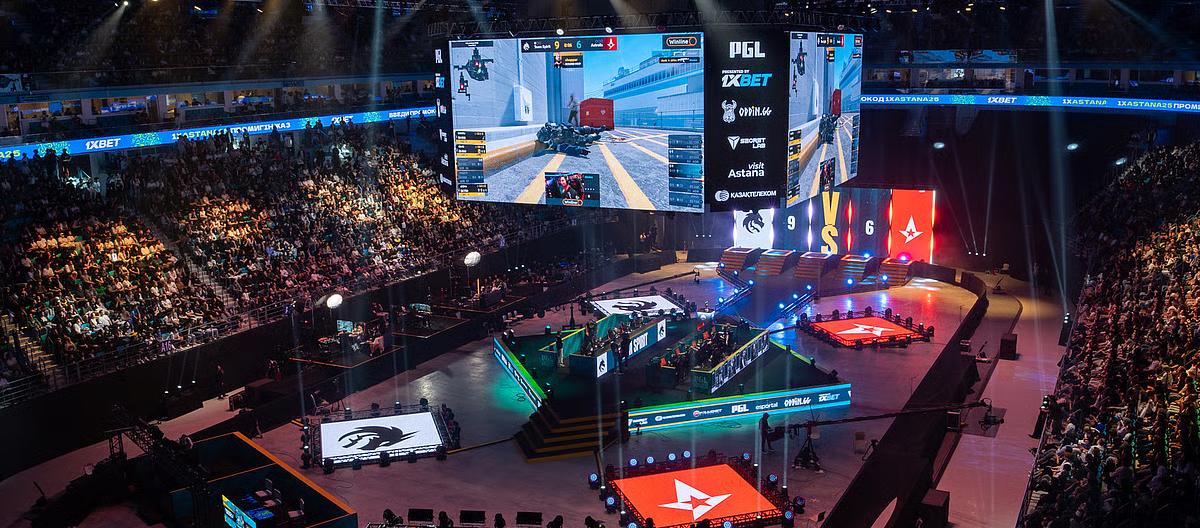
The explanation is that it's esports, and there are countless projects on the market. It's a business operation, a commercial operation. It's not like you can't survive without any one thing. In the era of traffic, when a game loses its popularity, the tournament quickly collapses as well. Franchising is actually a parasite, a way to collect money by doing nothing. Paying salaries is taken for granted, like a termite on a piece of fat meat. No matter how poor the team's performance is, the year-end league bonus is still quite considerable. With almost zero competition, what kind of esports is this?
Riot Games' Love Rights
The skill gap between regions is significant, and the audience's eyes are discerning. The League of Legends ecosystem is stagnant. Savvy investors prefer to invest in promising new games, such as Valorant. No one stipulates that you can make money through competitions. Competitions are part of the system and ecosystem. Laying a solid foundation is essential for the entertainment and playability of a game.
Riot Games, oblivious to the fact that its controlling nature is poisoning the healthy development of esports, doesn't seem to grasp the true impact of this. Dekkar, without comparison, simply brings up the CS2 esports system for discussion. Why is it that another game seems to be constantly evolving, generating endless discussion, with dark horses emerging frequently? One day it's headlines about a player breaking a record, the next it's news of a player being demoted. Rookies and veterans clash on the battlefield, creating a passionate and exciting atmosphere. The all-Mongolian team, MongolZ, is a perfect example, illustrating the difference between the two systems.
The CS2 global ranking system opens up a professional path for everyone.
Without a league system, CS2 operates on an open model, using Valve's regional rankings to reflect team strength. It's a globally continuous ranking system where points are extremely important. Local regional tournaments are the starting point, and the more you participate, the better, because continuous wins will cause your ranking to rise sharply, from an insignificant B or A-level tournament, gradually to the top, and finally to stand out on the international stage.
Team MongolZ, starting quietly from the bottom, proved their skill and created a miracle, qualifying for the CS Major within two weeks. After 45 matches, they reached the finals of the BLAST Austin Major. Although they didn't win the championship, they were ranked among the top ten globally. As for League of Legends, let's continue with internal league discussions for now. It seems there's an overbearing high-level management hindering their progress, and Valve seems to dislike this system.
Image source: Internet
Sports News
-

-

-

-

-

-

-

-
 2026-10-11 10:35
More News
-

-

-

-

-

-
 2026-04-12 10:53
-

-